

No products in the cart.

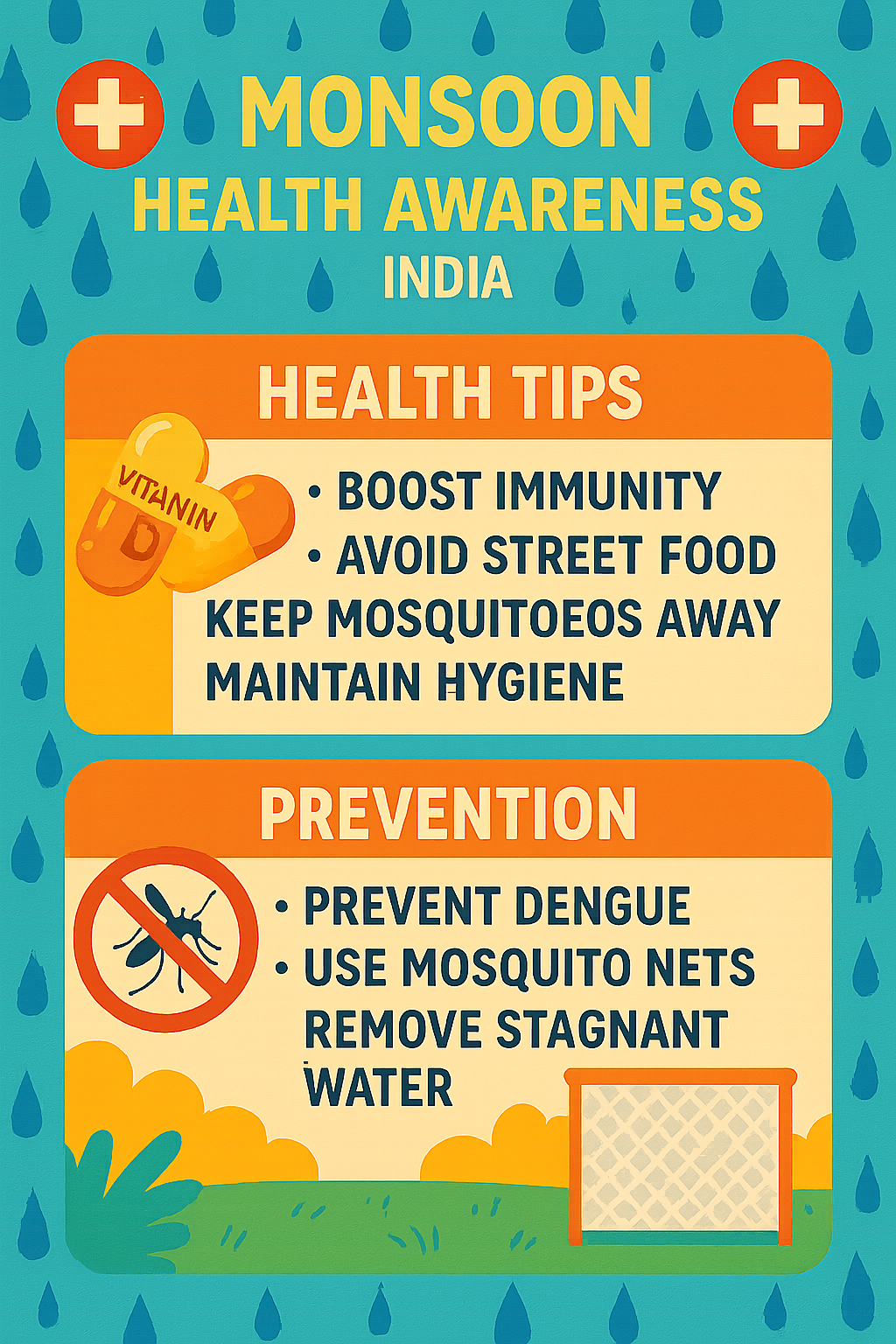
Monsoon is here! The cool rains refresh the air and bring relief from the heat, but they also come with some health challenges. It’s important to take care of yourself and your family during this season to avoid common illnesses and stay strong.
Here’s a simple guide to help you enjoy the rains and stay healthy all through the monsoon.
Why Monsoon Needs Extra Care?
The rainy season creates perfect conditions for germs and mosquitoes to thrive. The damp weather and less sunlight mean your immune system can get weak. Also, not getting enough sunlight can lead to vitamin D deficiency, which many people don’t realize affects their energy and overall health.
Mosquitoes multiply quickly in standing water during the rains, increasing the risk of diseases like dengue and malaria. Respiratory problems like coughs and colds also become common because of the damp air.
Keep Your Vitamin D Levels Up
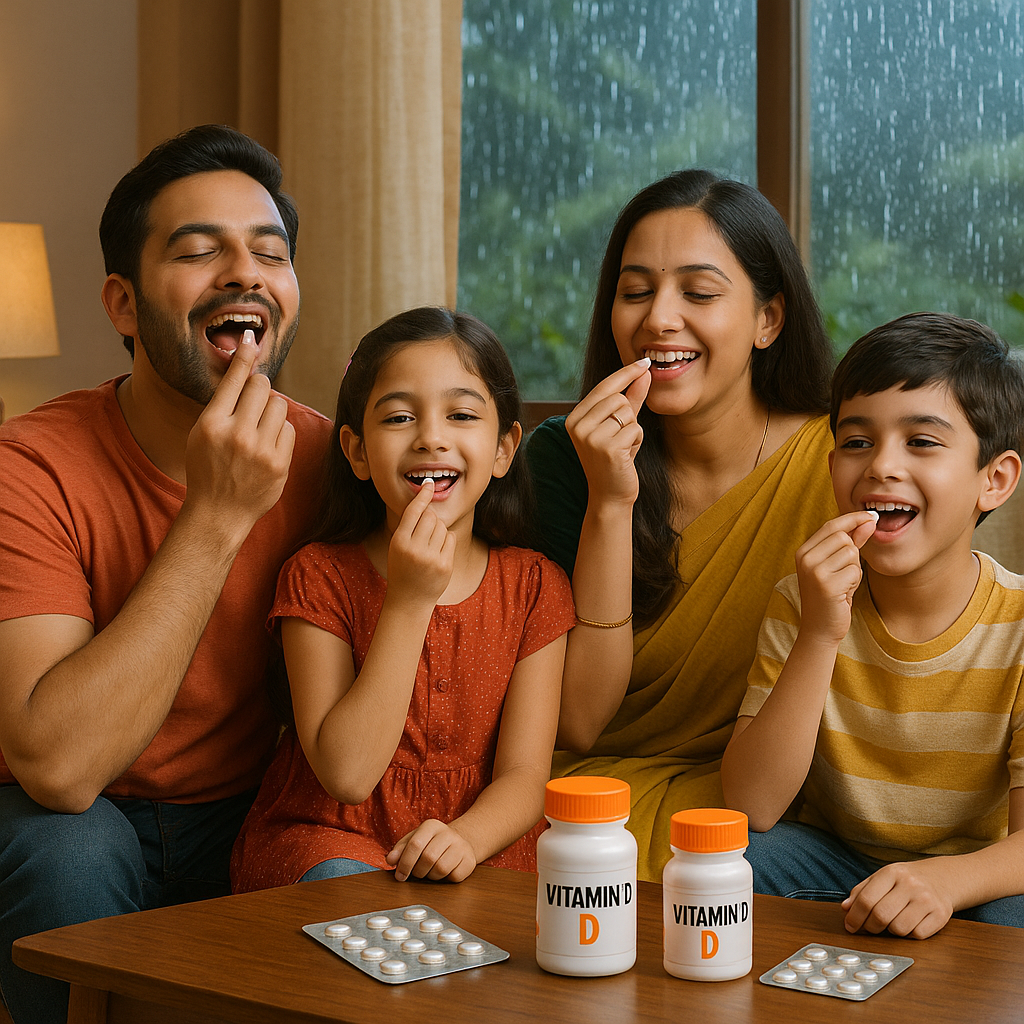
Even though it’s raining and cloudy, your body still needs vitamin D for strong bones and a good immune system. Low vitamin D can leave you feeling tired, achy, and more prone to infections.
How to Boost Vitamin D:
- Try to get some sunlight during short breaks in the clouds.
- Eat foods rich in vitamin D like eggs, fish, and fortified milk.
- Consider vitamin D supplements, but check with your doctor first.
- Keep active with indoor exercises or yoga to maintain overall health.
Protect Yourself from Dengue
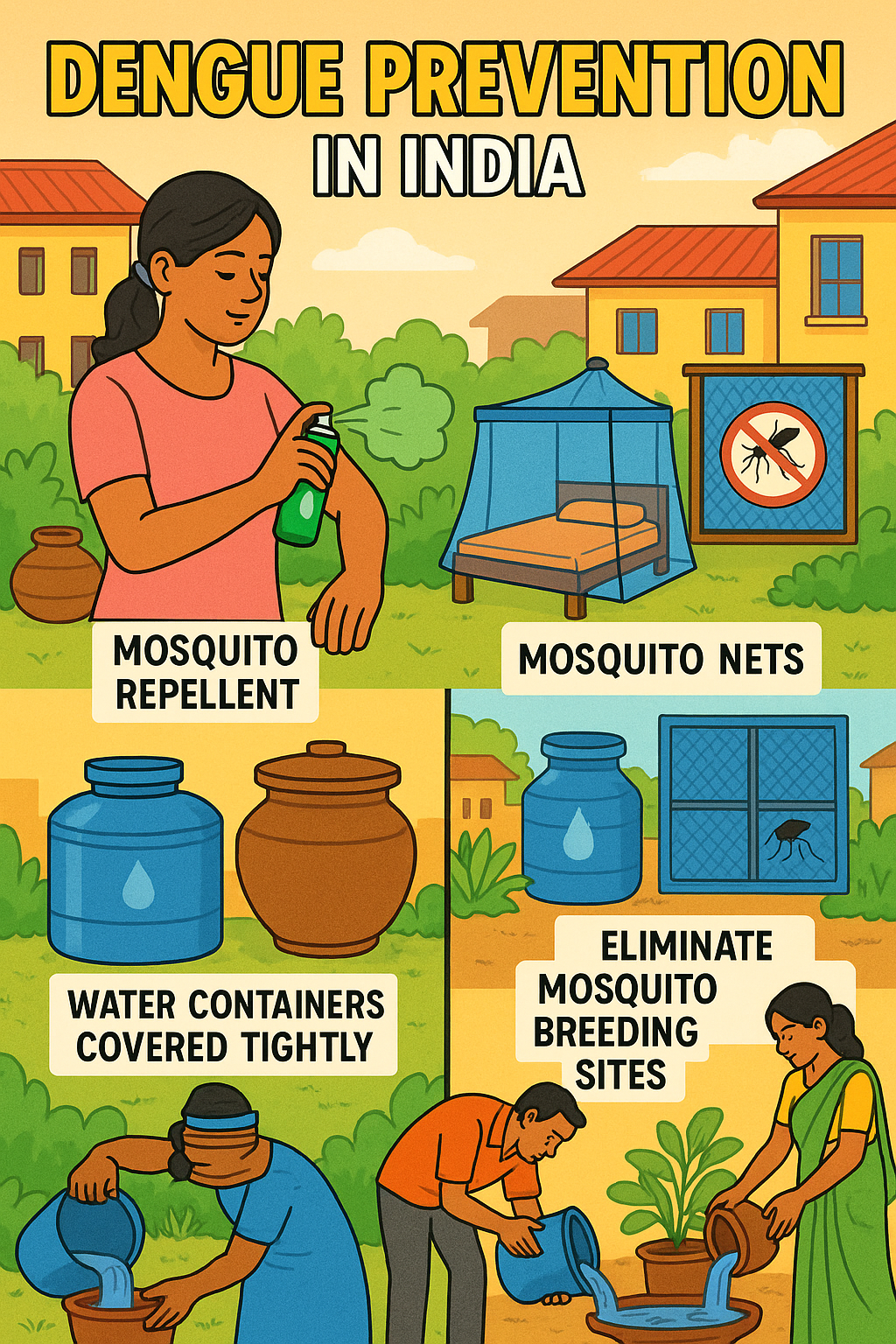
Dengue fever is a real concern during the monsoon because the mosquitoes love the wet, humid environment.
Easy Ways to Prevent Dengue:
- Remove any stagnant water around your home – empty pots, buckets, and containers regularly.
- Use mosquito repellent creams or sprays, especially in the early morning and evening.
- Wear full-sleeve clothes to keep mosquitoes away.
- Use mosquito nets or screens on windows and doors.
- Keep your surroundings clean and dry.
If you or someone in your family has a fever with body pain, rash, or vomiting, see a doctor right away.
Avoid Respiratory Issues
The wet weather can trigger coughs, colds, and allergies, especially for people with asthma or other lung conditions.
Tips to Keep Breathing Easy:
- Keep your home well-ventilated but avoid letting rainwater come in.
- Use a dehumidifier if possible to reduce moisture inside.
- Avoid staying in wet clothes; change quickly if you get drenched.
- Practice breathing exercises or yoga to strengthen your lungs.
- If you have asthma, always keep your inhaler handy and follow your doctor’s advice.
Simple Monsoon Wellness Habits
- Drink clean, boiled, or filtered water to avoid waterborne diseases.
- Wash your hands regularly with soap to stop germs from spreading.
- Eat fresh, home-cooked meals and avoid street food to stay safe.
- Boost your immunity with fruits, vegetables, and immune-friendly spices like turmeric and ginger.
- Stay hydrated even if you don’t feel thirsty.
- Get enough rest and keep your mental health in check through relaxation and staying connected with loved ones.
When to See a Doctor
If you have high fever for more than two days, severe headache, breathing trouble, continuous vomiting, or bleeding spots on your skin, don’t wait. Get medical help immediately.
Stay Prepared: Your Monsoon Health Kit
Keep these essentials ready at home:
- Thermometer and basic first aid supplies
- Oral rehydration salts
- Mosquito repellent and nets
- Vitamin supplements as recommended
- Contact numbers of your healthcare provider
Monsoon can be a wonderful time if you take a few simple steps to protect your health. Follow these easy tips, stay aware, and enjoy the rains safely!
For all your health products and medicines, trust a reliable online pharmacy that brings convenience and quality right to your doorstep.
Quick FAQ
Q: Can I take vitamin D supplements during monsoon?
A: Yes, vitamin D supplements can help maintain your health when sunlight is limited. Talk to your doctor about the right dose for you.
Q: How do I stop mosquitoes from breeding at home?
A: Regularly empty any standing water around your house and keep your water containers covered.
Q: What should asthma patients do during monsoon?
A: Avoid wet and damp places, use masks when going outside, and always have your medication ready.
Q: Should I avoid street food in monsoon?
A: It’s safer to eat fresh, home-cooked food during this season to avoid infections.
Stay dry, stay healthy, and enjoy the monsoon!

1 Comment